Discover Forest Park in Birmingham, Alabama — a historic neighborhood known for its leafy streets, architectural diversity, walkability, and timeless old-world charm. Explore its history,

Dated: October 5 2025
Views: 85
First off: yes, the claim is real. Alabama is ranked among the top states for biodiversity, especially east of the Mississippi.
It leads the U.S. in freshwater species counts — fish, mussels, snails, turtles, crayfish — largely because of the Mobile River Basin and the network of rivers and streams throughout the state.
The variety of ecosystems is dizzying: longleaf pine forests, bogs, swamp forests, glades, deciduous woodlands, ridges, coastal dunes, subterranean cave systems, and more. Each has its own flora and fauna.
The state also has a high number of endemic species — ones you’ll find only in Alabama.
So when you talk about Southern living here, you’re not just talking about architecture, food, and local customs — you’re also talking about a living, breathing canvas of ecosystems that shape the day-to-day in deep ways: what you plant in your yard, the birds at your feeder, how stormwater moves, how your property views connect to the wild around you.
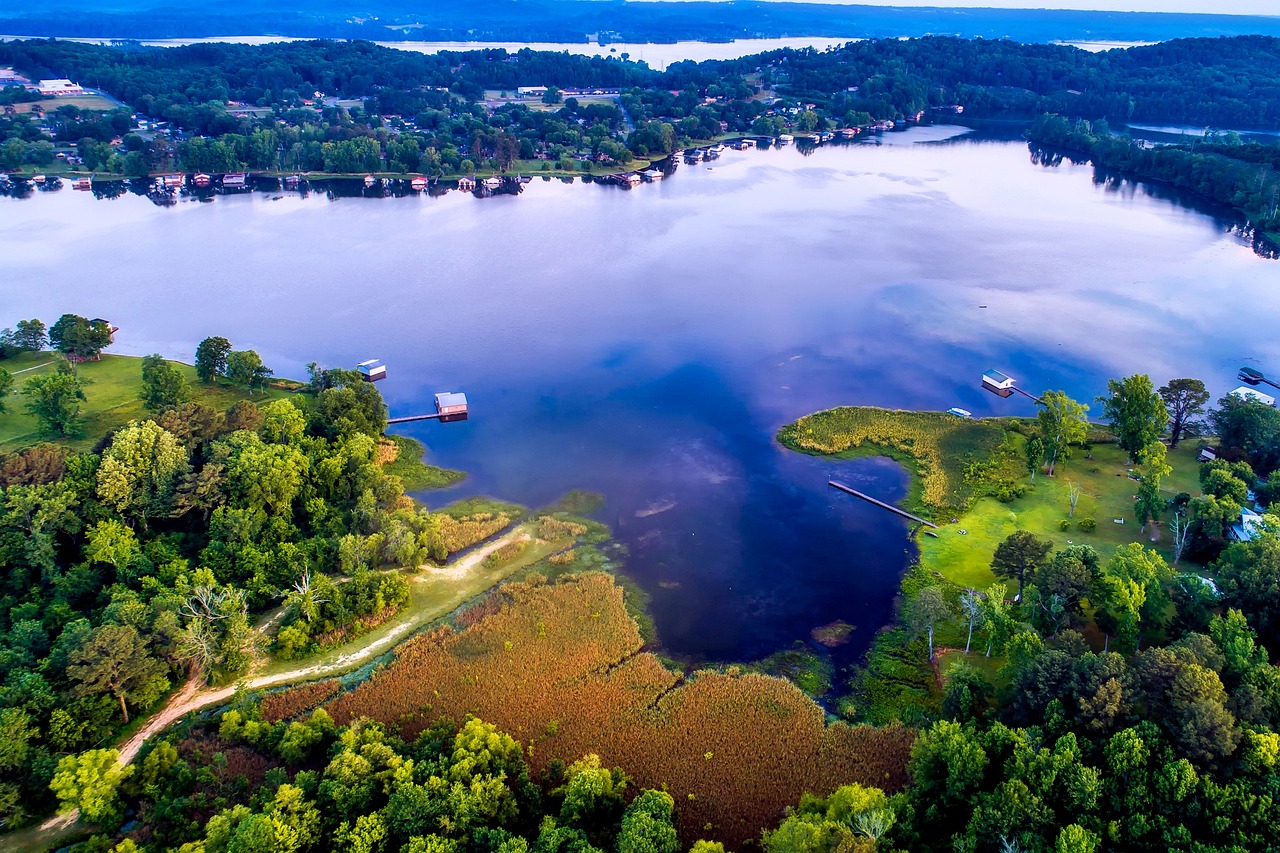
When doing Southern-lifestyle meets biodiversity, place matters. Let’s walk through some of the key regions and what makes each special.
Region | Highlights & Character | What Southern Living Looks Like Here |
|---|---|---|
The Appalachian Foothills / Northeast Alabama | Rugged hills, waterfalls, temperate forests. Example: Talladega National Forest. | Homes with mountain views, wraparound porches, grasses and native shrubs in the yard, trails in your backyard. |
Central / Ridge & Valley / Upland Woodlands | Gentle slopes, fertile soil, mix of hardwoods, glades | Farmhouses, barns, creekside gardens, secret coves to wander. |
Coastal Plain & Gulf Shores | Wetlands, barrier islands, maritime forests, salt marshes | Stilted homes, live oaks draped in Spanish moss, breezes off the Gulf, seafood markets, marsh walks. |
River basins & wetland corridors | Swamps, cypress stands, floodplain forests | Boardwalks, kayak access, fish camps, backyard wetland ponds, water-loving plantings. |
You might live in a “town in the pines” or along a tidal creek — both embody Southern living, but the rhythms, plant palette, and fauna will feel different.
Here are some habits, design ideas, and everyday practices that tie into both culture and ecology.
Forget perfect green lawns. Instead:
Plant native oaks, goldenrod, pitcher plants, bladderworts, native azaleas, and longleaf pines.
Use “pocket meadows” or pollinator patches instead of clipped turf.
Let rain gardens, ponds, and swales manage water and support frogs, dragonflies, and other life.
You’ll attract more birds, butterflies, and beneficial insects — especially in a state with such rich species numbers.
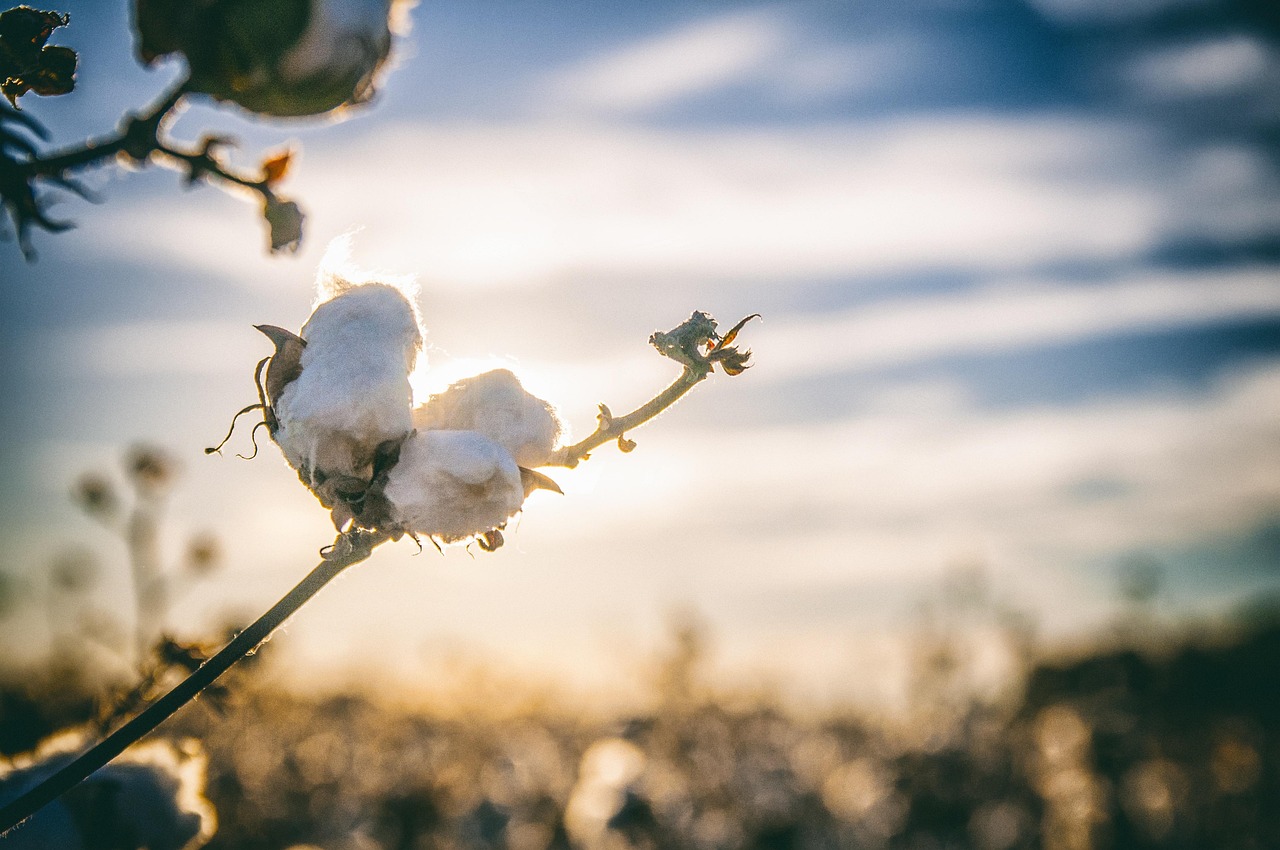
Southern living often centers outdoors. In Alabama:
Orient porches to catch breezes off water or through treetops.
Screen to keep bugs at bay, but leave enough openness to hear frog calls, cicadas, or canopy birds.
Use indigenous stone and wood to ground your structure in the landscape.
Spring: Azalea season, dogwoods, the return of migrating birds.
Summer: Fireflies, the hum of cicadas, river swims and canoe trips.
Fall: Red maples, mountain vistas, harvest tables.
Winter: Camellias bloom, quiet forests, reflection.
These aren’t just poetic ideas — they’re calendars shaped by the local ecology.
Because watersheds in Alabama are central to life (and biodiversity), integrate good water practices:
Avoid hardscape-heavy yards. Let water percolate.
Use permeable driveways.
Buffer your creek or stream edges with native grasses and shrubs.
Plant riparian strips of vegetation to reduce runoff and support river life (especially mussels, fish, snails).
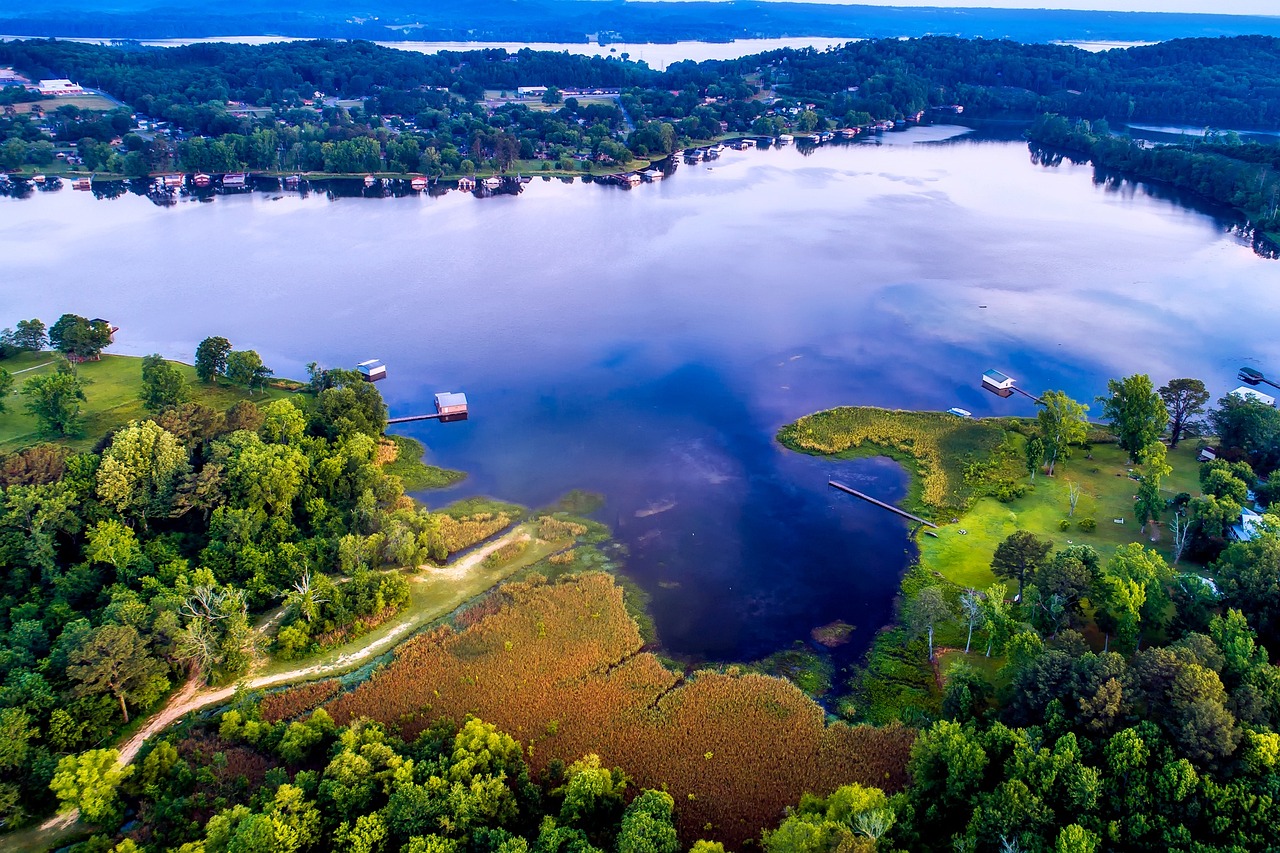
Grow heirloom vegetables suited for Alabama’s climate (heat, humidity).
Raise chickens, bees, or heritage livestock if possible.
Use wood, stone, and building materials from regional sources.
Support local artisan crafts, furniture makers, blacksmiths, potters — like how Southern Living magazines often do.
In each piece of your home or each ingredient on your plate, you’re reflecting the place.
Here are some must-see spots that give you a taste of Alabama’s natural & cultural mix — and will give you photo ops, quiet moments, and inspiration.
Cheaha State Park & Bald Rock Overlook — the highest point in Alabama, offering sweeping views across forested ridges.
Birmingham Botanical Gardens — 67+ acres of curated gardens and wild patches, with over 12,000 plant types.
Mobile Botanical Gardens — including a living remnant of longleaf pine habitat and a curated collection of camellias and rhododendrons.
Cane Creek Canyon Nature Preserve — a private preserve (open to public) with waterfalls, wetlands, cliffs, and 15 miles of hiking.
Blevins Gap Nature Preserve (Huntsville) — 12+ miles of trails, waterfalls, native wildflowers, and diverse fauna.
Talladega National Forest — large, wild, mountainous forest territory.
Walking those trails, photographing waterfalls, sitting in a fern glade — that’s not just “tourism,” it’s immersion. That’s where Southern-life + biodiversity meet.
It’s not all postcard pretty. Alabama’s biodiversity is under stress:
Many freshwater species are threatened by water pollution, dams, sedimentation, and changing rainfall patterns.
Urbanization, invasive species, and habitat fragmentation are real.
Climate change is altering how and when rains fall, increasing erosion and flash floods.
But that’s also part of the story — you, me, everyone living here or visiting has a role.
Support conservation groups (e.g. The Nature Conservancy’s Alabama work)
Volunteer for cleanup or native plantings
Use low-impact building strategies
Advocate for sustainable water management in local planning
Educate neighbors and clients (especially as a real estate professional — you have a voice)
When you bring nature into your life respectfully, Southern living becomes deeper.
If I were to sum it all up in one image: you, sitting on a wide porch at dusk, the air thick with honeysuckle, a slow breeze through oak leaves, frogs calling from a creek nearby, fireflies blinking, and stars overhead. That moment connects you to both human tradition and untamed wilderness.
Southern living in Alabama doesn’t have to be a nostalgia act. It can be alive, evolving, responsive — and full of possibility, because you’re living in one of the richest biological places east of the Rockies.

For many homeowners, selling isn’t just a transaction—it’s deeply personal. It’s the home where holidays were hosted, milestones were celebrated, and generations built something meaningful. An....
Discover Forest Park in Birmingham, Alabama — a historic neighborhood known for its leafy streets, architectural diversity, walkability, and timeless old-world charm. Explore its history,
A Brief History — From Wooded Hills to Coveted AddressElyton Land Company — the same developers who helped found Birmingham — set its eyes on the wooded, hilly land at the foot of
Mountain Brook, Alabama is more than an address — it’s a legacy. Tucked against the rolling foothills of the Appalachian Mountains and dotted with winding creeks, lush greenery, and
Why Alabama? (Spoiler: More life than you’d expect)First off: yes, the claim is real. Alabama is ranked among the top states for biodiversity, especially east of the Mississippi. It
 © 2026 Greater Alabama MLS. IDX information is provided exclusively for consumers personal, non-commercial use and may not be used for any purpose other than to identify prospective properties consumers may be interested in purchasing. IDX content is not guaranteed accurate by the MLS or REMAX Advantage South. Data last updated: September 15, 2026 2:55 PM UTC
